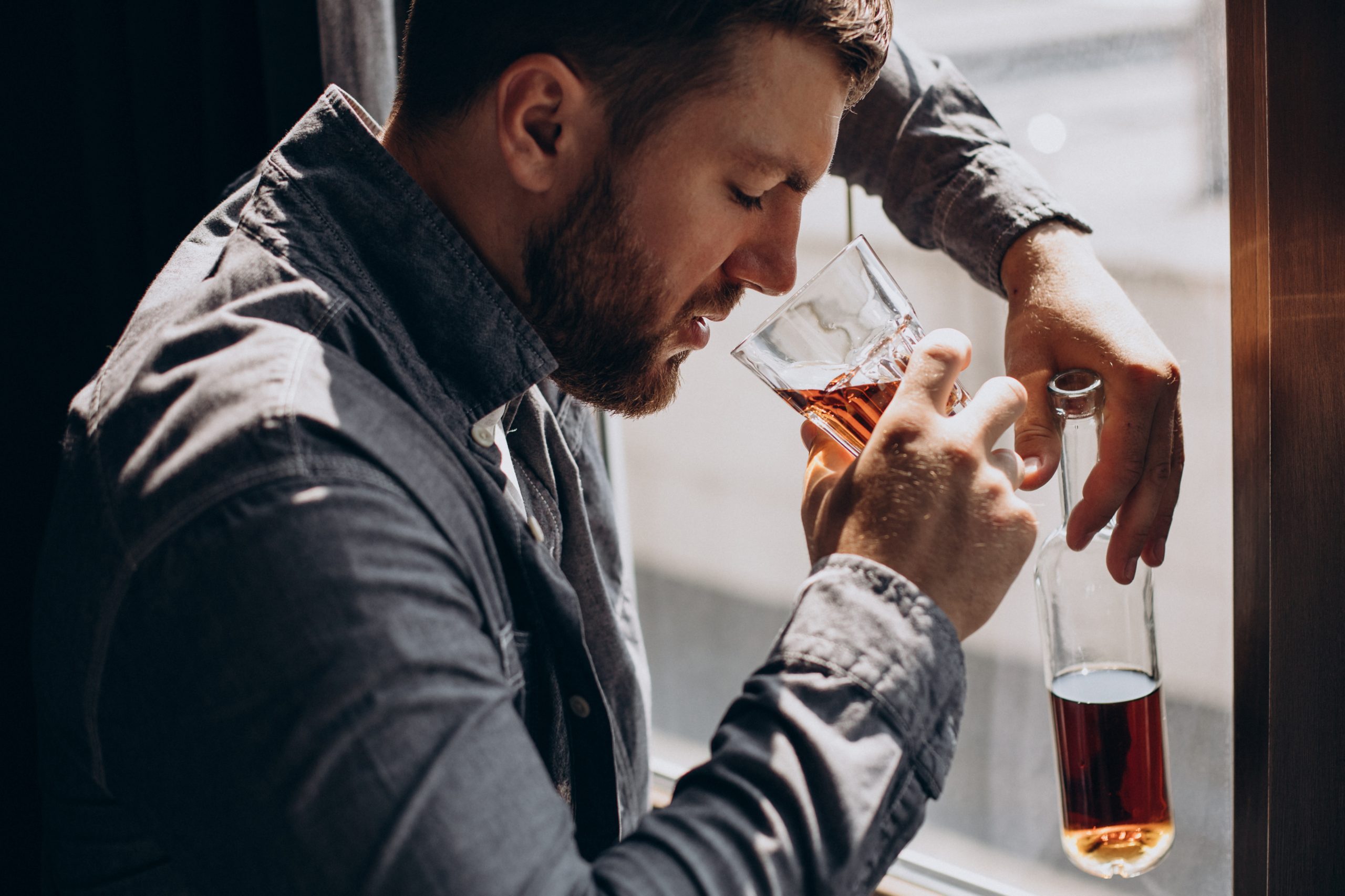
Alcohol (ethanol or ethyl alcohol) is the ingredient found in beer, wine and spirits that causes drunkenness. Alcohol is formed when yeast ferments (breaks down without oxygen) the sugars in different food. For example, wine is made from the sugar in grapes, beer from the sugar in malted barley (a type of grain), cider from the sugar in apples, vodka from the sugar in potatoes, beets or other plants. Alcohol is classed as a ‘sedative hypnotic’ drug, which means it acts to depress the central nervous system at high doses. At lower doses, alcohol can act as a stimulant, inducing feelings of euphoria and talkativeness, but drinking too much alcohol at one session can lead to drowsiness, respiratory depression (where breathing becomes slow, shallow or stops entirely), coma or even death. As well as its acute and potentially lethal sedative effect at high doses, alcohol has effects on every organ in the body and these effects depend on the blood alcohol concentration (BAC) over time.
Drug Addiction
ICE/ Cocaine
Crystal methamphetamine (‘ice’, ice drug) is a stimulant drug, which means it speeds up the messages travelling between the brain and the body. It’s stronger, more addictive and therefore has more harmful side effects than the powder form of methamphetamine known as speed.
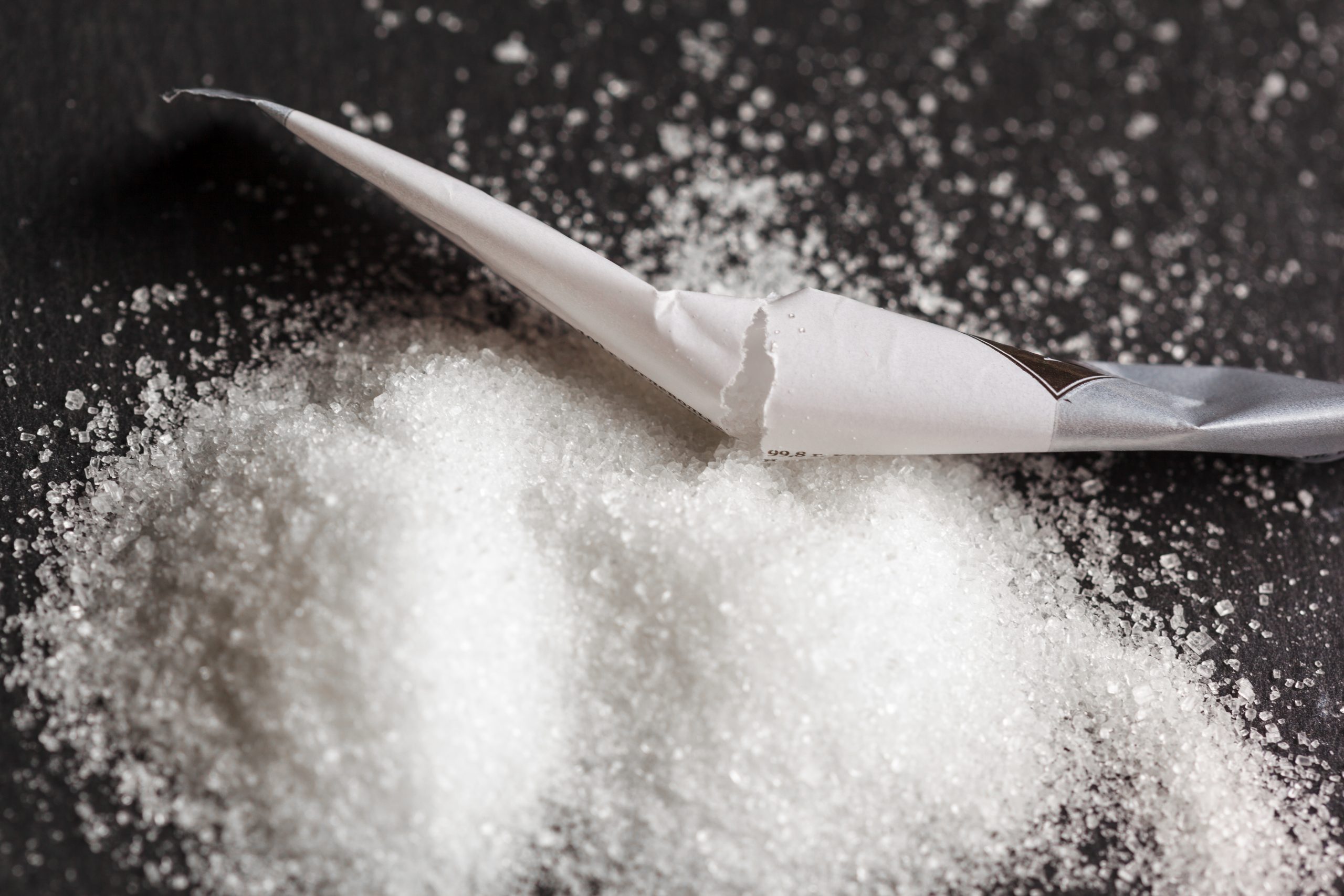
Ice usually comes as small chunky clear crystals that look like ice. It can also come as white or brownish crystal-like powder with a strong smell and bitter taste.
Other names
Crystal meth, shabu, crystal, glass, shard, P.
How is it used?
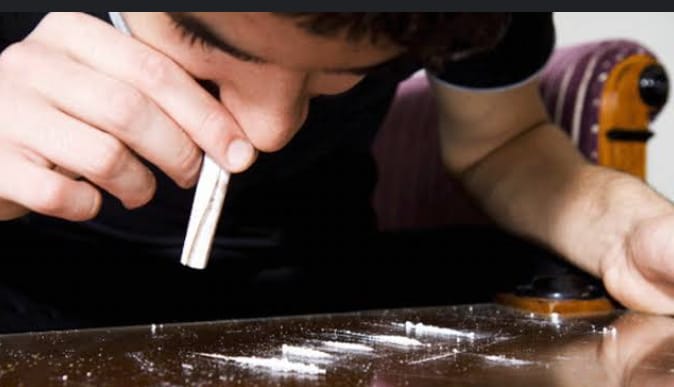
Ice is generally smoked (feel the effect almost immediately) or injected (15 to 30 seconds to feel the effects). It is sometimes swallowed (15 to 20 minutes to feel the effects) or snorted (3 to 5 minutes to feel the effects).
Other types of stimulants
1. Amphetamines
2.Betel nut
3.Caffeine
4.Cocaine
5.Khat
6.Mephedrone
7.Nicotine
8.Synthetic cathinones
Effects of ice
There is no safe level of drug use. Use of any drug always carries some risk. It’s important to be careful when taking any type of drug.
The effects of ice can last for up to 12 hours,2 but it might be hard to sleep for a few days after using the drug.
Ice affects everyone differently, but effects may include:
1. feelings of pleasure and confidence
2. increased alertness and energy
3. repeating simple things like itching and scratching
4. enlarged pupils and dry mouth
5. teeth grinding and excessive sweating
6. fast heart rate and breathing
7. reduced appetite
8. increased sex drive
If injecting drugs there is an increased risk of:
1. tetanus
2. infection
3. vein damage
If sharing needles there is an increased risk of:
1. Hepatitis B
2. Hepatitis C
3. HIV and AIDS
Snorting ice can damage the nasal passage and cause nose bleeds.
Overdose
If you take a large amount or have a strong batch, you could overdose. Call an ambulance straight away by dialling triple zero (000) if you have any of these symptoms (ambulance officers don’t need to involve the police):
1. racing heartbeat and chest pain
2. breathing problems
3. fits or uncontrolled jerking
4. extreme agitation, confusion, clumsiness
5. sudden, severe headache
6. unconsciousness
7. stroke, heart attack or death
Drug Addiction
Heroin/Opioids
Pure heroin (diacetylmorphine) is a white powder with a bitter taste abused for its euphoric effects. Heroin, a highly addictive drug, is derived from the morphine alkaloid found in opium poppy plant (Papaver somniferum) and is roughly 2 to 3 times more potent than morphine. It is usually injected, smoked or snorted up the nose. It exhibits euphoric (“rush”), anti-anxiety and pain-relieving properties.
1. Most illicit heroin is sold as a white or brownish powder and is usually “cut” with other drugs or with substances such as sugar, starch, powdered milk, or quinine. It can also be cut with strychnine or other poisons. This is the form that is injected.
2.Potent opioids such as fentanyl and carfentanyl have been found cut into heroin accessed on the streets, and can be deadly to the unsuspecting user.
3.Another form known as “black tar” may be sticky, like roofing tar, or hard, like coal. Its color may vary from dark brown to black. This form is usually smoked or snorted.Because abusers do not know the actual strength of the drug or its true contents, they are at often risk of overdose or death.
Opium is rarely grown and cultivated, but is brought in from Latin American countries. Afghanistan is the capital of opium harvesting, producing roughly 75% of the world’s heroin supply.
Common opiates available by prescription include: codeine, hydrocodone, hydromorphone, fentanyl, methadone, morphine, tramadol, oxycodone, oxymorphone, and tapentadol. All of these agents are classified as Schedule II narcotics by the DEA.
Heroin is classified as a Schedule I drug under the Controlled Substances Act of 1970, carries stiff criminal penalties, and has no acceptable medical use in the U.S. In Nov. 2020, the state of Oregon voted in Measure 110 to decriminalize use of all drugs, including heroin. The law does not legalize the drugs – it means that the state will remove criminal penalties and prison time for possession of small amounts of illegal drugs, and instead involves a $100 fine or a “completed health assessment” at an addiction recovery center, according to Vox. The sale of drugs such as heroin or cocaine will still be illegal.
Methods of use Heroin is most often injected intravenously (IV), however, it may also be:
1.vaporized (“smoked”)
2.sniffed (“snorted”)
3.used as a suppository
4.orally ingested.
Drug Addiction
Injection
Medical care of individuals who use injection drugs should focus on initial management of local or systemic complications of injecting drug use and then on referral to appropriate chemical dependency treatment programs.
Some patients may have multiple medical problems and poor socioeconomic status. They may lack medical insurance and a stable place to live, and they may have mental health problems, either preexisting or associated with chronic substance use. Therefore, each patient requires a comprehensive physical examination as well as a thorough history. The patient possibly does not know what he or she has injected because many of the street drugs are altered or laced with other substances.
Drug Addiction
Addiction in Women
There is increasing trend of drug addiction in general and ICE in particular in recent past, especially in teen age and younger population. Lahore Rehab has separate rooms for women, considering the need for safety and responsibility. Dedicated maid is arranged for each female client if there is no family member to stay with the patient.
Drug Addiction
Psychiatric Disorders
The treatment of mental health disorders usually includes two aspects: the actual treatment itself, and rehabilitation. Treatment focuses on reducing the symptoms of an illness that are present in the patient. In the case of a person with fever, the goal of treatment is to bring down the body temperature.
Unlike in the case of physical illnesses where medication or surgery may provide a complete cure, mental disorders require medication along with other forms of treatment. The type of treatment administered to the patient depends on their diagnosis, the severity of the illness, as well as their physical and emotional state. A person may need a combination of some of these forms of treatment: medication, therapy, counseling, hospitalization, brain stimulation treatments and psychiatric rehabilitation. Often, the lines demarcating treatment and rehabilitation may be blurred.
Psychiatric rehabilitation is an aspect of treatment that focuses on helping the person return to an optimal level of functioning and to achieve their life goals. This is brought about by providing medical, psychological and social input. There is no strict boundary between treatment and rehabilitation.
Not all persons with mental illness require rehabilitation. For many patients, medication or a combination of medication and therapy is sufficient to help them get back to a functional life. For some others, rehabilitation may be that essential final part of the treatment cycle.
Drug Addiction
Teen Challenge Program
Our Psychologists and staff is well trained to cater the psychology of teen agers. ICE is alarmingly in this age group. Teen agers are also prone to behavioral and psychological issues. We keep teen age patients separate from other age clients. We have successfully treated many such patients. They re enter life with clear goal and directions
Drug Addiction
Treatment Program for Foreign Clients
Drug Addiction is prevalent in every society. Unfortunately, treatment is very costly and most insurance companies don’t cover it. So keeping in view the background and needs of our foreign clients, we tailor a treatment program in consultation with such patients.